-
FIRST MAN-MADE OBJECT REACHES SPACE

JUNE 20, 1944
Humble beginnings? Not so much. The V2 was the world's first long-range guided ballistic missile. The missile, powered by a liquid-propellant rocket engine, was developed during the Second World War in Germany to attack Allied cities as retaliation for the Allied bombings against German cities.
During a test launch the V-2 Rocket MW 18014 reached an altitude of 176km which is above the later to be determined Kármán line. Making it the first man-made object to reach outer space. -
The First Photograph Taken from space

October 24, 1946
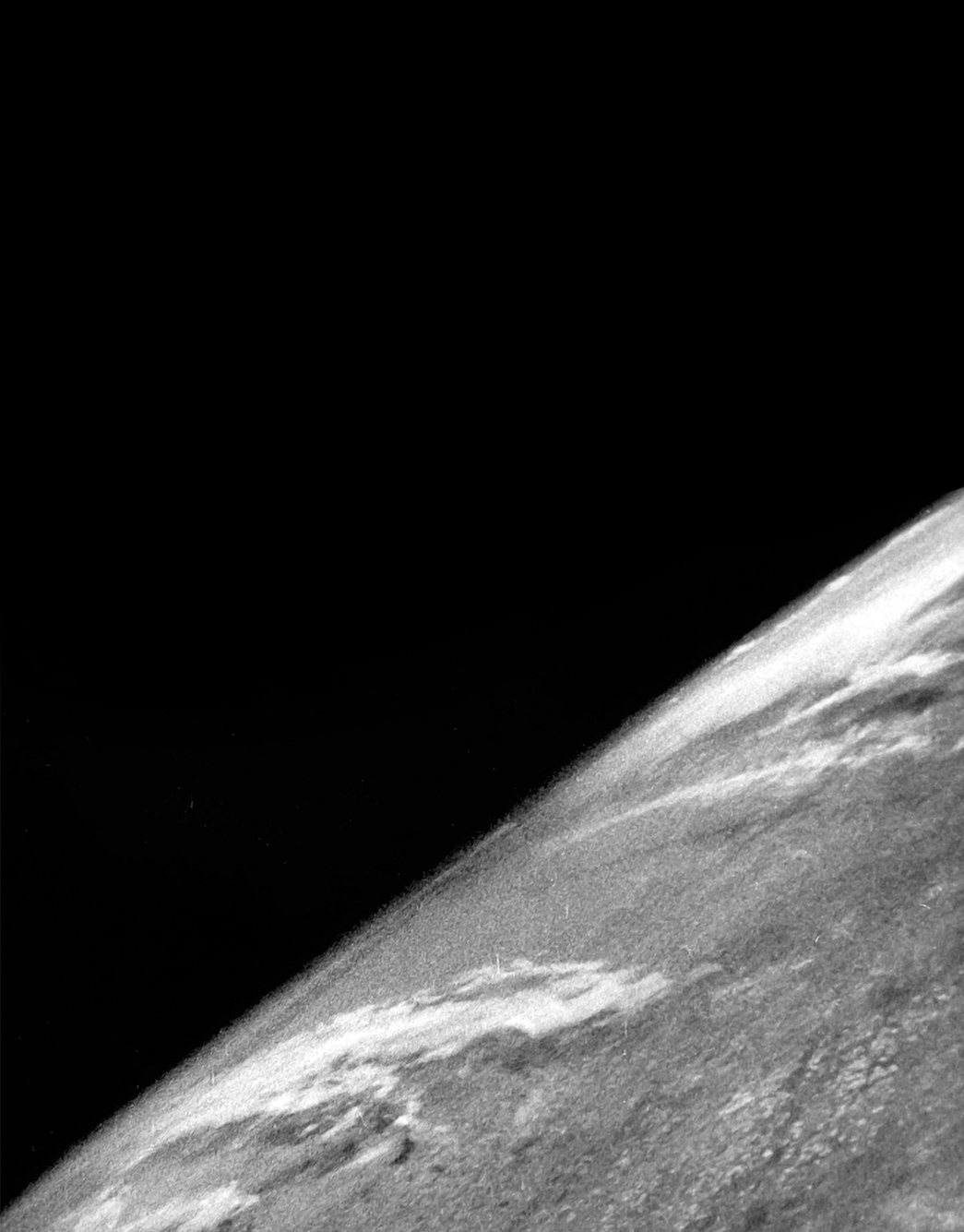
At the White Sands Missile Range, soldiers and scientists launched a V-2 missile carrying a 35-millimeter motion picture camera which took the first shots of Earth from space. These images were taken at an altitude of 65 miles, The rocket later crashed landed but the film survived as it was encased in a steel cassette.
Before 1946, the highest pictures ever taken of the Earth’s surface were from the Explorer II balloon, which had ascended 13.7 miles in 1935, high enough to discern the curvature of the Earth. -
First Animals In Space
February, 20 1947
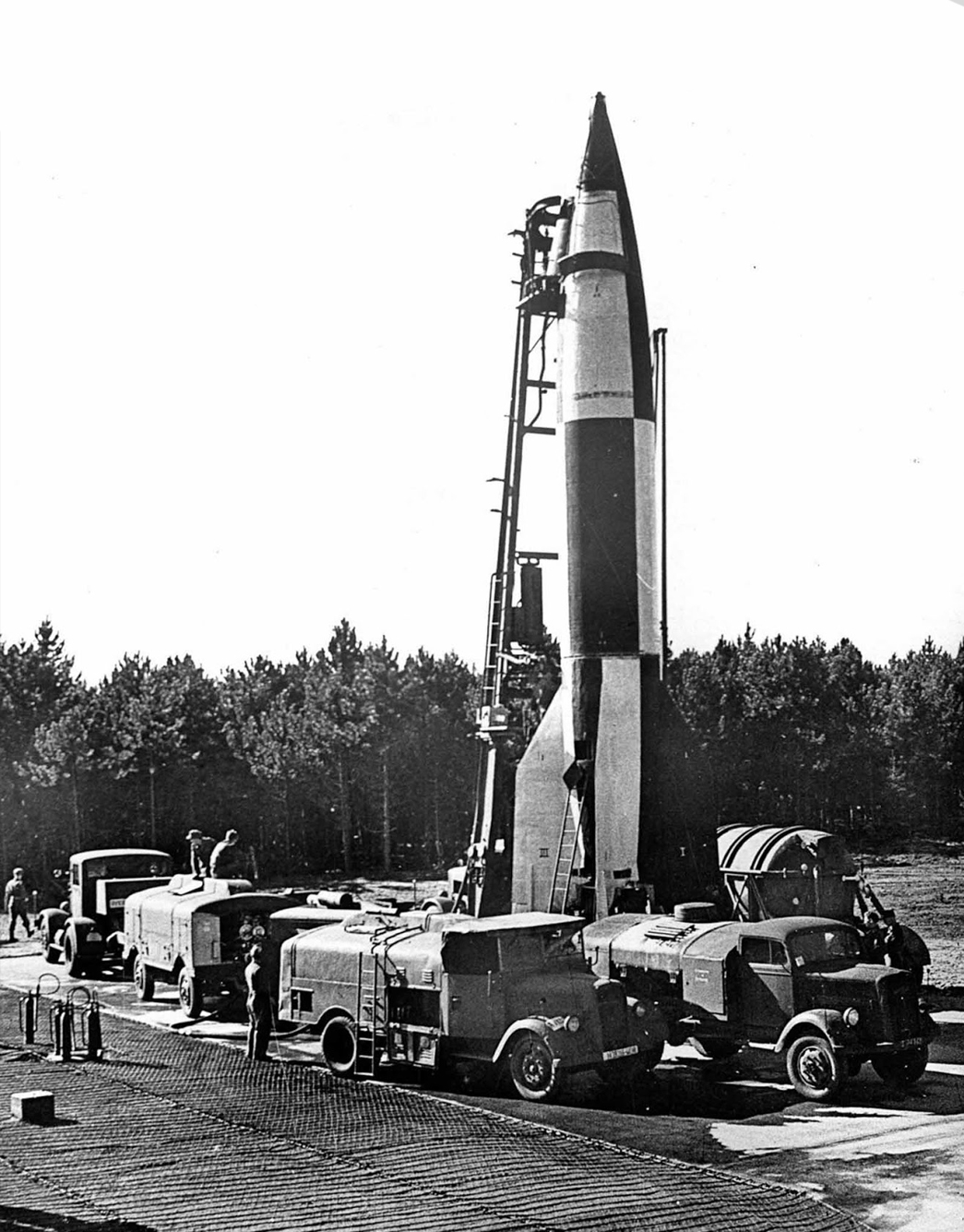
The United States launched a V-2 rocket with fruit files aboard in the White Sands Missile Range, New Mexico. The experiment was to explore the effects of radiation exposure at high altitudes. The rocket reached 68 miles (109 km) The Blossom capsule was ejected and successfully deployed its parachute. The fruit flies were recovered alive after landing.
-
First Two-Stage Liquid Fueled Rocket
February, 24 1949
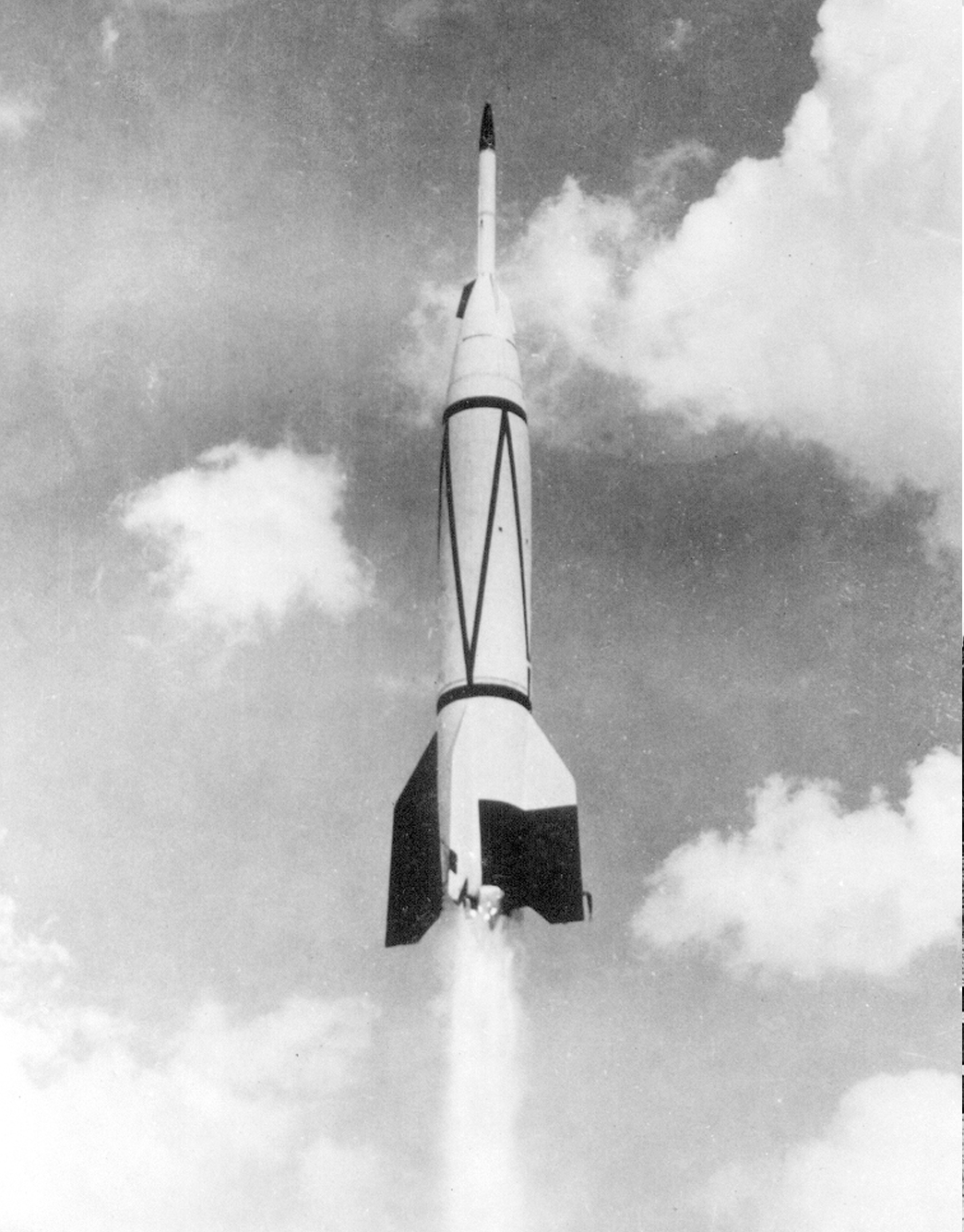
The RTV-G-4 Bumper was a sounding rocket built by the United States, it was a WAC Corporal missile mounted onto a German V-2 rocket, producing the first two-stage liquid-fueled rocket. The test flight of Bumper 5 set a record altitude of 244 miles (392.68 kilometers) when it was launched from White Sands Missile Range, New Mexico.
-
First Primate In Space
June, 14 1949
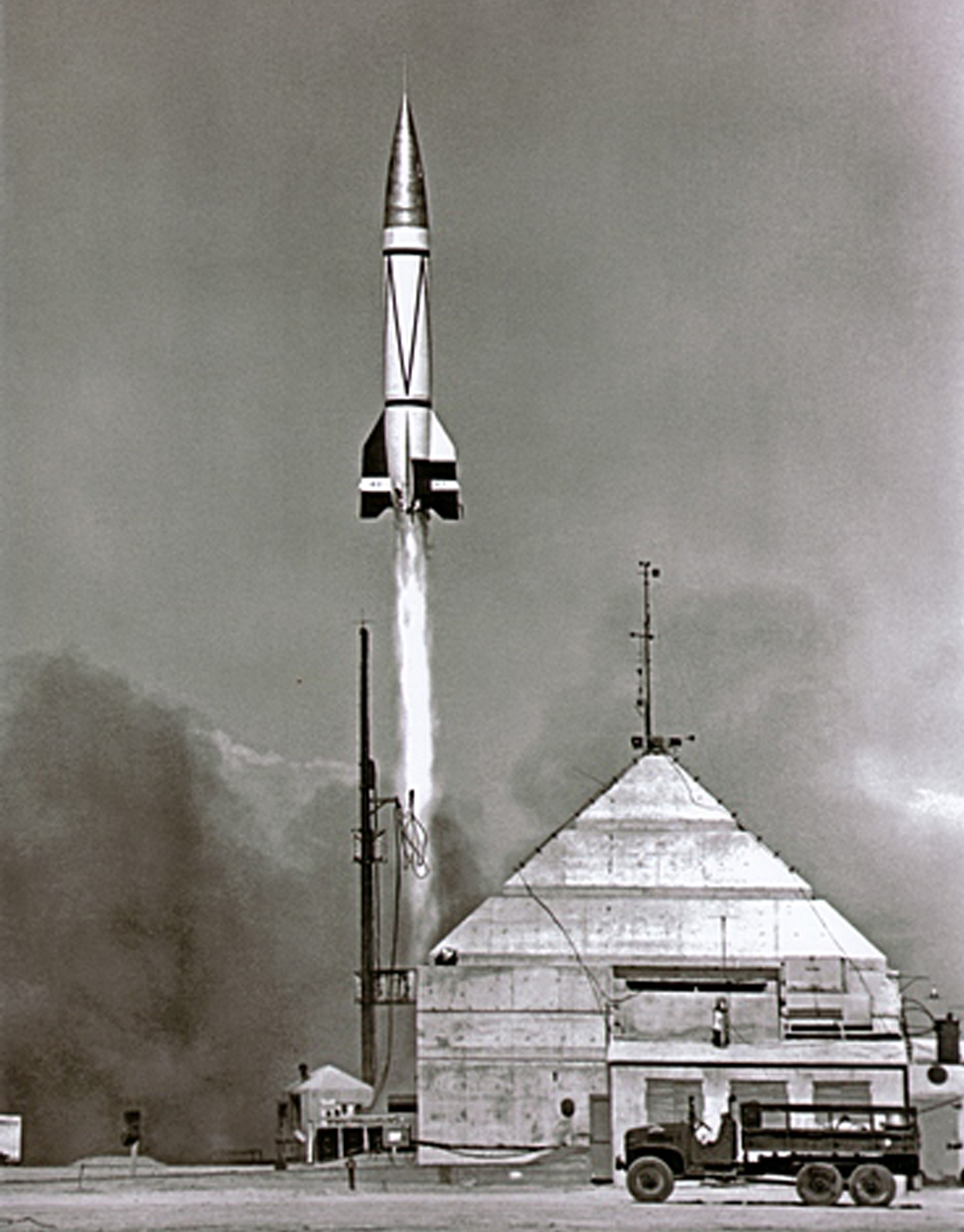
Albert II, a rhesus monkey, became the first monkey in space when the V2 launch No. 47 carried Albert II about 83 miles (134 km). Almost double of their previous mission where Albert I reached only 30–39 miles (48–63 km) altitude. Unfortunately Albert II died on impact after a parachute failure.
-
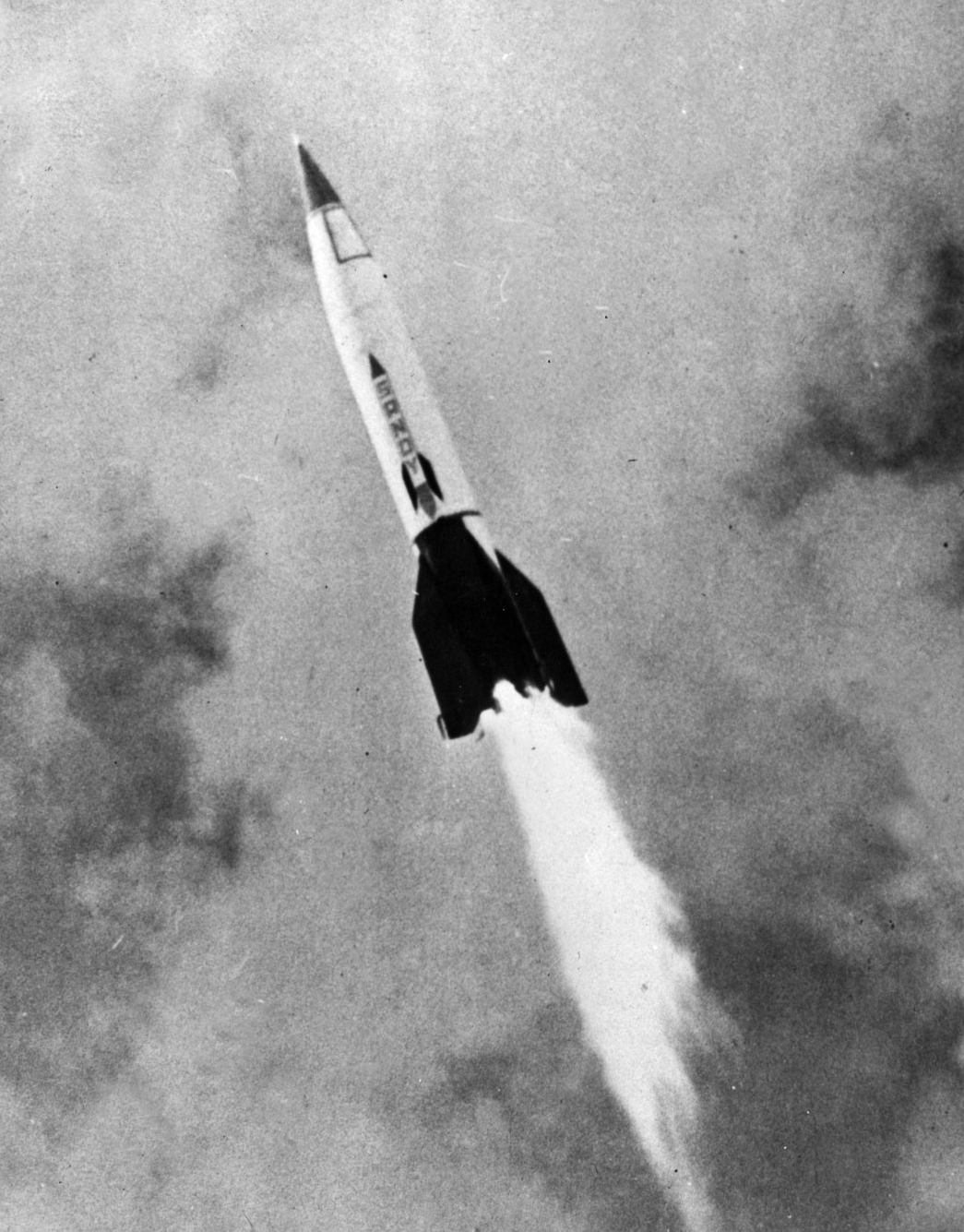
First Mouse In Space
August, 31 1950
Launched aboard a V2 Rocket the United States launched a mouse into space. The Albert V flight reached an altitude of 137 km. Upon re-entry the rocket fell apart due to a parachute system failure. The United States would launch several other mice during this time period to study the effects of spaceflight.
-
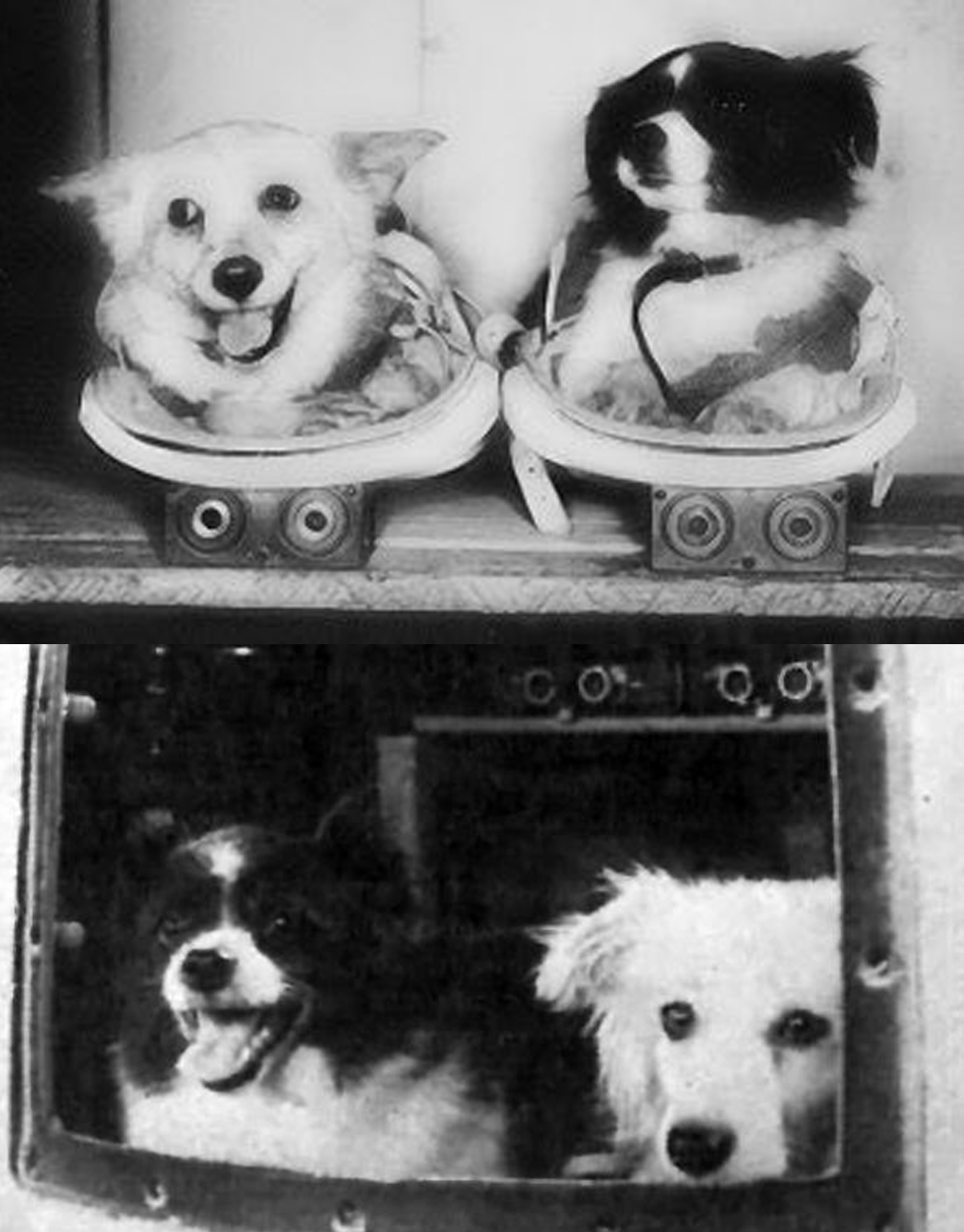
First Dogs In Space

July 22, 1951
The Soviet Union launched the R-1 IIIA-1 flight, carrying the dogs Tsygan and Dezik into space. The rocket reached an altitude of 110 km (68 mi).They notably did not reach orbit but they both survived the flight and were recovered, although one would die on a subsequent flight.
-
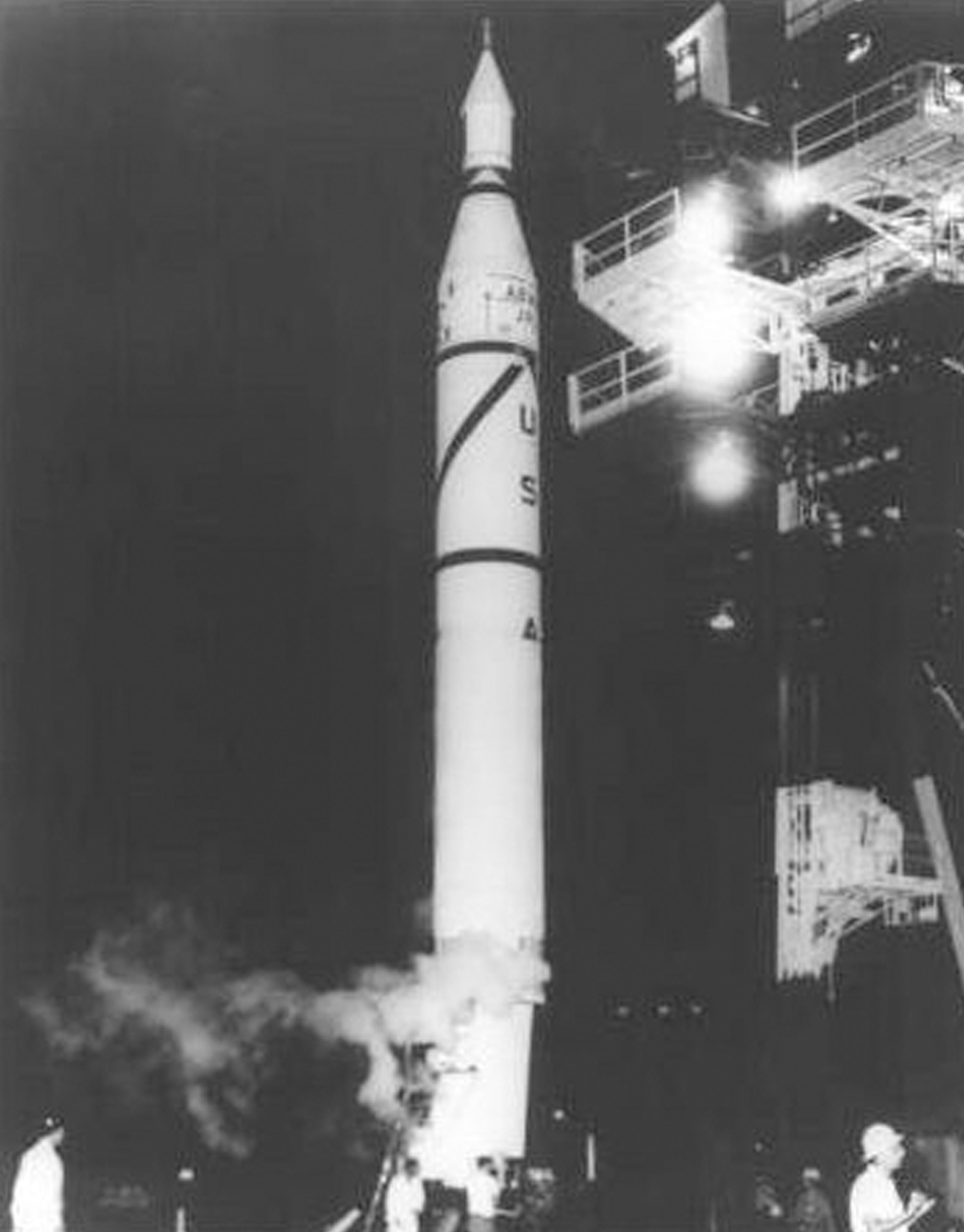
First Rocket to enter the exosphere
September 20, 1956
The Jupiter-C became the first rocket to pass the Thermopause and enter the Exosphere when it was launched from Cape Canaveral Airforce Base. It lifted a 86.5-lb (39.2 kg) payload and a 30lb (14kg) dummy satellite. It reached an altitude of 682 miles (1,097.57 km) and a range of 3,335 miles, the 3-stage Jupiter-C broke both records and achieved MACH 18 velocity.
-
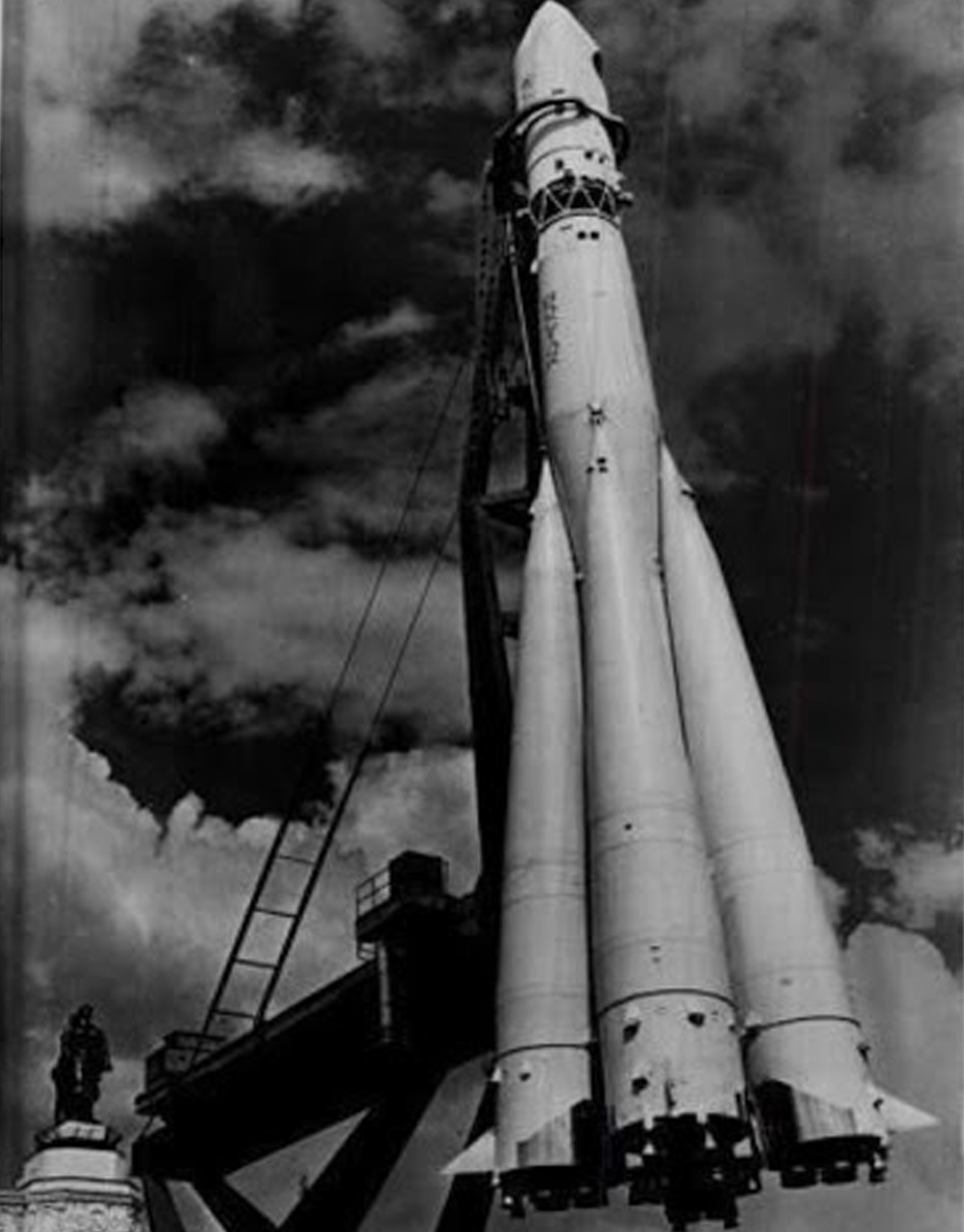
First Intercontinental ballistic missile
August, 21, 1957
The first successful long flight of the Soviet Union’s R-7 Semyorka/SS-6 Sapwood at 6,000 km (3,700 mi). The dummy warhead impacted in the Pacific Ocean, right where it was predicted to land.
-
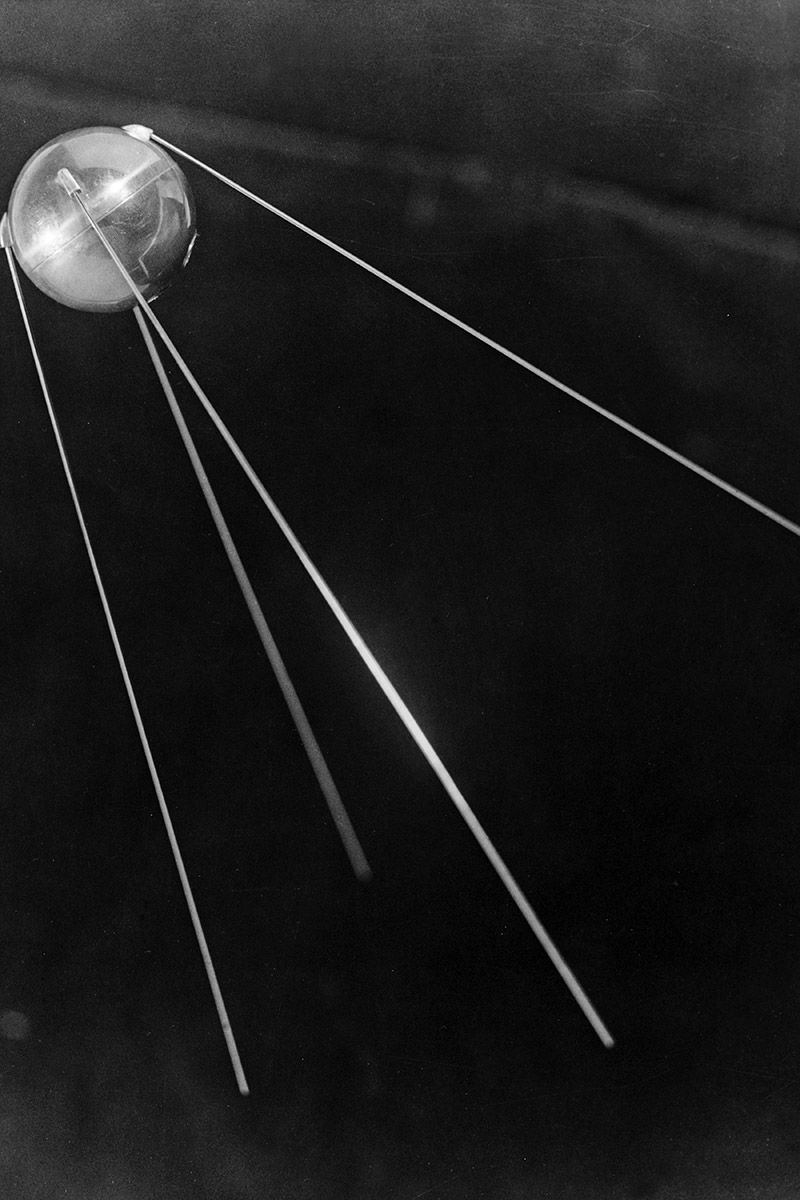
First Satellite launched into orbit
October 4, 1957
Launched into a low earth orbit from Baikonur Cosmodrome, Sputnik 1 became the first artificial satellite. It broadcasted radio signals for three weeks before its batteries died and it fell back into the atmosphere to burn up.
With the satellite’s success, the Soviet Union set into motion the Space Race. A now infamous period during the Cold War were the two worlds super powers competed for technological superiority to achieve spaceflight and scientific milestones. -
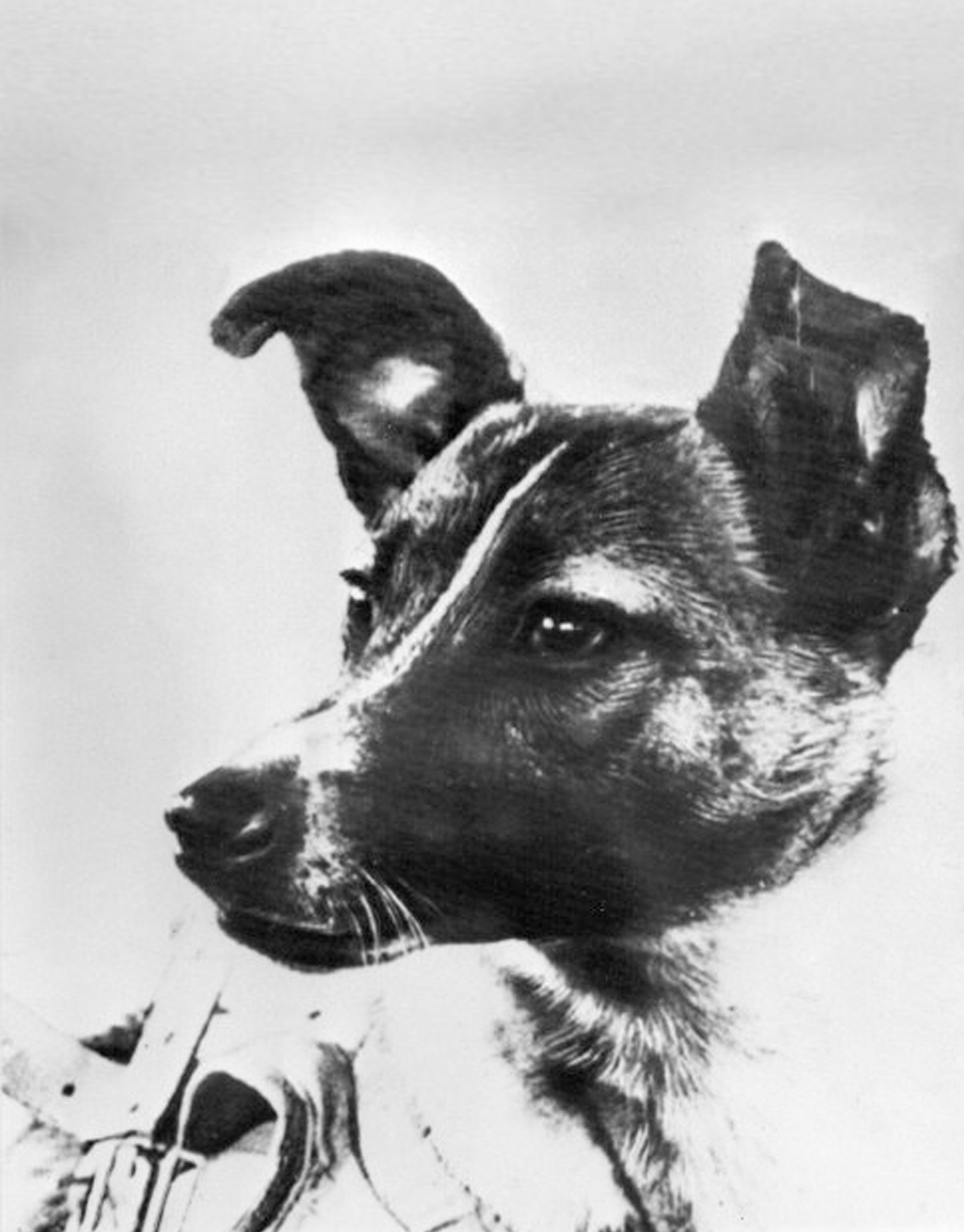
First Animal launched into orbit
November 3, 1957
Laika was a Soviet space dog who became one of the first animals in space, and the first animal to orbit the Earth. Laika, a stray from the streets of Moscow, was selected to be the occupant of the Soviet spacecraft Sputnik 2.
Little was known about the impact of spaceflight on living creatures at the time and the technology to de-orbit had not yet been developed, so the experiment aimed to prove that a living passenger could survive being launched into orbit and endure a micro-g environment, paving the way for human spaceflight and providing scientists with some of the first data on how living organisms react to spaceflight environments. Laika died around her third orbit around the Earth due to overheating. -

1950
Donec semper quam scelerisque tortor dictum gravida. In hac habitasse platea dictumst. Nam pulvinar, odio sed rhoncus suscipit, sem diam ultrices mauris, eu consequat purus metus eu velit. Proin metus odio, aliquam eget molestie nec, gravida ut sapien. Phasellus quis est sed turpis sollicitudin venenatis sed eu odio. Praesent eget neque eu eros interdum malesuada non vel leo. Sed fringilla porta ligula.